The Goatman stalks the woods of Maryland
Scientific Reality
The Maryland Goatman is a folk legend amplified by a 1971 local newspaper story, with no physical evidence.
Historical & Cultural Context
Rooted in folklore and campfire storytelling, the belief thrived in the gap between the unexplained and the merely unfamiliar. As a question of cryptid, "The Goatman stalks the woods of Maryland" slotted neatly into what people already expected to be true, which is exactly why it went unquestioned for so long.
Fear, suggestion, and a good scare travel faster than any rational correction. It was not until 2000 that the record was set straight — the Maryland Goatman is a folk legend amplified by a 1971 local newspaper story, with no physical evidence. The correction came from Pearson, B.L. — folklore studies of the Maryland Goatman, yet the original myth still lingers in everyday conversation.
A Different Lens
The paranormal is where the brain fills darkness with pattern. This myth is a window into how readily we manufacture certainty from ambiguity. It survives not because it is convincing but because it is so rarely challenged out loud. Strip away the folklore and the sharper truth comes into focus — start with a single fact: spread by a 1971 Prince George's County News article. Seen this way, the myth is less a mistake to mock than a case study in how belief outruns evidence.
Deep Dive
The Goatman — a half-man, half-goat creature said to roam Prince George's County, Maryland — is a regional urban legend, not a documented animal. Folklorist Barry Lee Pearson traced its modern spread to a 1971 Prince George's County News article that collected local teen lore, after which sightings and campfire tales multiplied. The figure draws on much older motifs: the satyrs and Pan of classical mythology, the Devil's goat imagery, and the universal 'monster in the lovers' lane' story used to scare teenagers. There is no body, no track, no photograph — only stories that intensify with retelling. Reported encounters are explained by misidentified animals (deer, dogs), pranks, and the power of a scary local legend. It is folklore performing its social function, not biology.
- Spread by a 1971 Prince George's County News article
- Draws on classical satyr/Pan and Devil imagery
- A classic "lovers' lane monster" cautionary tale
- No body, track, or photograph exists
Visualization
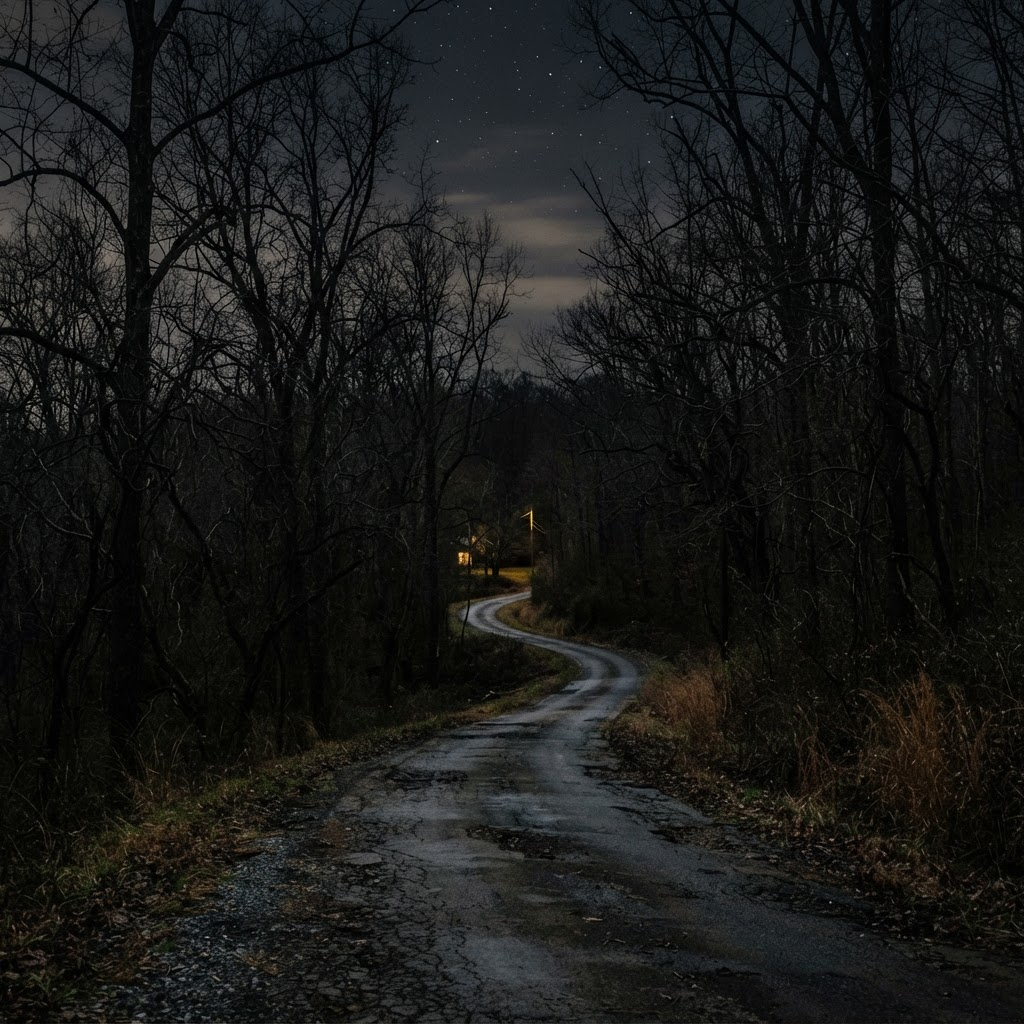
Maryland Folklore — A Legend, Not an Animal
The Goatman spread through a 1971 local news story and campfire retellings, drawing on ancient satyr and Devil imagery. No physical evidence exists — it is folklore doing its social work of scaring teenagers.
Verified Sources & Peer-Reviewed References
The Goatman and Regional Legend in Maryland
Journal of American Folklore·2005Satyrs, Pan, and the Half-Goat Motif
Folklore·2008Newspaper Amplification of Local Legends
Journalism History·2010The Cautionary Tale in Adolescent Folklore
Contemporary Legend·2003
All sources are peer-reviewed or from accredited space agencies. Dark Myths does not fabricate or misrepresent scientific findings.