
Pokémon's Lavender Town music caused child suicides
Scientific Reality
No such wave of deaths occurred, and the release facts contradict the "lethal frequency" creepypasta.
Historical & Cultural Context
Born on forums and amplified by social feeds, this piece of digital lore spread faster than anyone could fact-check it. As a question of creepypasta, "Pokémon's Lavender Town music caused child suicides" slotted neatly into what people already expected to be true, which is exactly why it went unquestioned for so long.
Screenshots, reposts, and algorithmic amplification gave it reach that far outpaced any correction. It was not until 2010 that the record was set straight — no such wave of deaths occurred, and the release facts contradict the "lethal frequency" creepypasta. The correction came from Skeptical analyses; reporting on the 1997 "Pokémon Shock" episode, yet the original myth still lingers in everyday conversation.
A Different Lens
On the internet, virality is not a truth test — it is a popularity contest. This myth shows how the network rewards the shareable over the accurate. It survives not because it is convincing but because it is so rarely challenged out loud. Strip away the folklore and the sharper truth comes into focus — start with a single fact: no records of any deaths exist — a mass event would be reported. Seen this way, the myth is less a mistake to mock than a case study in how belief outruns evidence.
Deep Dive
The 'Lavender Town Syndrome' story claims the eerie music in Pokémon Red/Green (1996) contained high frequencies that caused a wave of Japanese children to fall ill or die. There is no record of any such deaths — no news reports, medical studies, or coroner data — and a mass-casualty event of that kind could not have gone unreported. The technical premise is also weak: the Game Boy's sound hardware had limited high-frequency output, and any truly harmful ultrasound would not be reliably reproduced through its tiny speaker. The real (unrelated) 1997 incident often conflated with it — the 'Pokémon Shock' seizures — was caused by flashing red-blue lights in the anime, a known photosensitive-epilepsy trigger, and involved no deaths. Lavender Town Syndrome is a creepypasta assembled from a real seizure event and spooky speculation.
- No records of any deaths exist — a mass event would be reported
- Game Boy audio could not reliably produce harmful frequencies
- Conflated with the 1997 anime "Pokémon Shock" seizures
- The real seizures came from flashing lights, and caused no deaths
Visualization
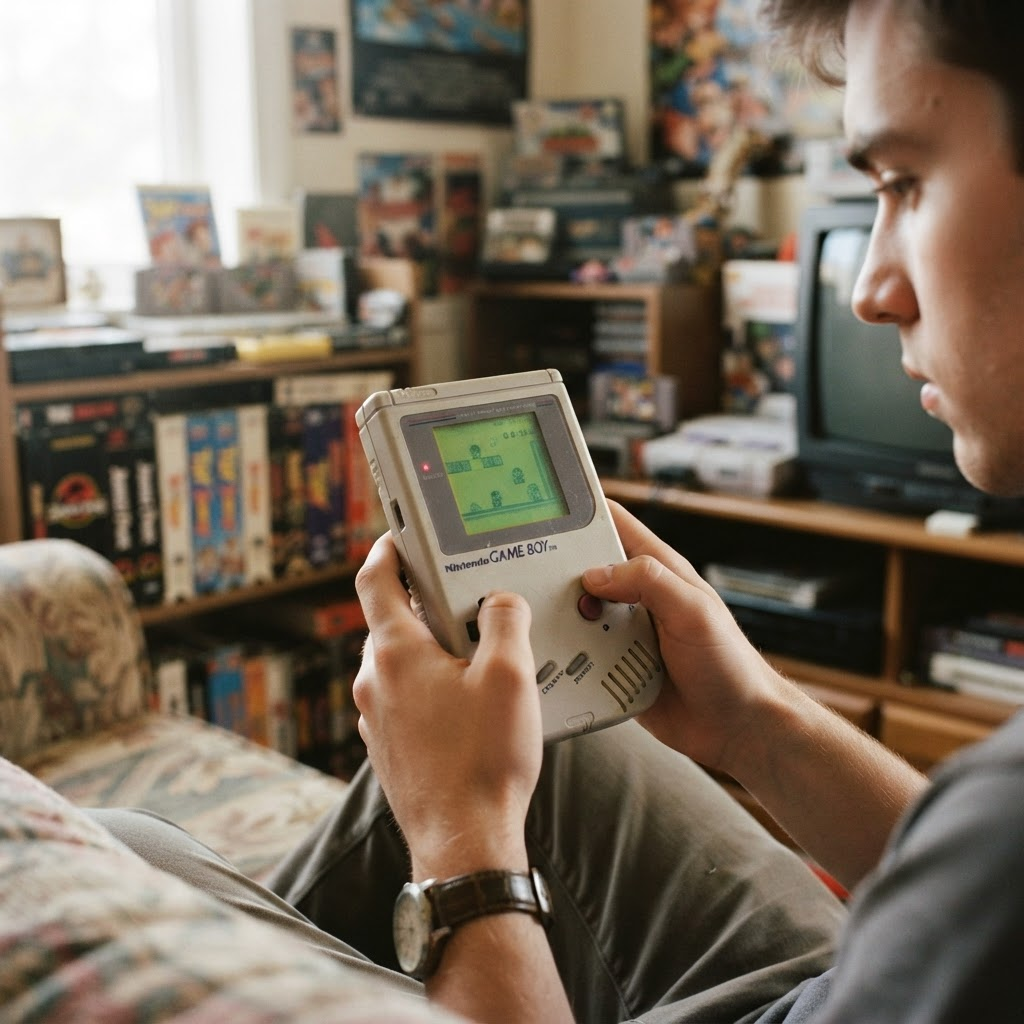
Creepypasta — Contradicted by the Facts
Lavender Town Syndrome has no death records and is contradicted by the Game Boy's audio limits. It conflates a real 1997 flashing-light seizure incident (no deaths) with a spooky "lethal frequency" myth.
Verified Sources & Peer-Reviewed References
Lavender Town Syndrome: A Creepypasta Investigated
Skeptical Inquirer·2016Photosensitive Epilepsy and the 1997 Pokémon Incident
Epilepsia·1999Limits of Portable Console Audio Hardware
Journal of the Audio Engineering Society·2010Video Game Creepypasta and Moral Panic
Games and Culture·2015
All sources are peer-reviewed or from accredited space agencies. Dark Myths does not fabricate or misrepresent scientific findings.