
A prehistoric monster lives in Loch Ness
Scientific Reality
A 2018 environmental-DNA survey of the entire loch found no trace of any large reptile.
Historical & Cultural Context
Rooted in folklore and campfire storytelling, the belief thrived in the gap between the unexplained and the merely unfamiliar. As a question of cryptid, "A prehistoric monster lives in Loch Ness" slotted neatly into what people already expected to be true, which is exactly why it went unquestioned for so long.
Fear, suggestion, and a good scare travel faster than any rational correction. It was not until 2019 that the record was set straight — a 2018 environmental-DNA survey of the entire loch found no trace of any large reptile. The correction came from Gemmell et al., University of Otago eDNA Survey (2019), yet the original myth still lingers in everyday conversation.
A Different Lens
The paranormal is where the brain fills darkness with pattern. This myth is a window into how readily we manufacture certainty from ambiguity. It survives not because it is convincing but because it is so rarely challenged out loud. Strip away the folklore and the sharper truth comes into focus — start with a single fact: 2018 eDNA survey: zero reptilian DNA anywhere in the loch. Seen this way, the myth is less a mistake to mock than a case study in how belief outruns evidence.
Deep Dive
In 2018 a team led by Professor Neil Gemmell sampled environmental DNA from across Loch Ness, cataloguing every organism that shed genetic material into the water. There was no reptilian DNA of any kind — ruling out a plesiosaur or any large unknown reptile. The most abundant large-animal DNA was eel, prompting the hypothesis that oversized eels explain some sightings. The iconic 1934 'Surgeon's Photograph' was revealed in 1994 to be a hoax built from a toy submarine and wood putty, confessed by Christian Spurling. Plesiosaurs also went extinct 66 million years ago and were cold-water-intolerant marine reptiles that needed to surface to breathe.
- 2018 eDNA survey: zero reptilian DNA anywhere in the loch
- Most abundant large-animal DNA was European eel
- 1934 "Surgeon's Photograph" confessed as a toy-submarine hoax in 1994
- Plesiosaurs went extinct ~66 million years ago
Visualization
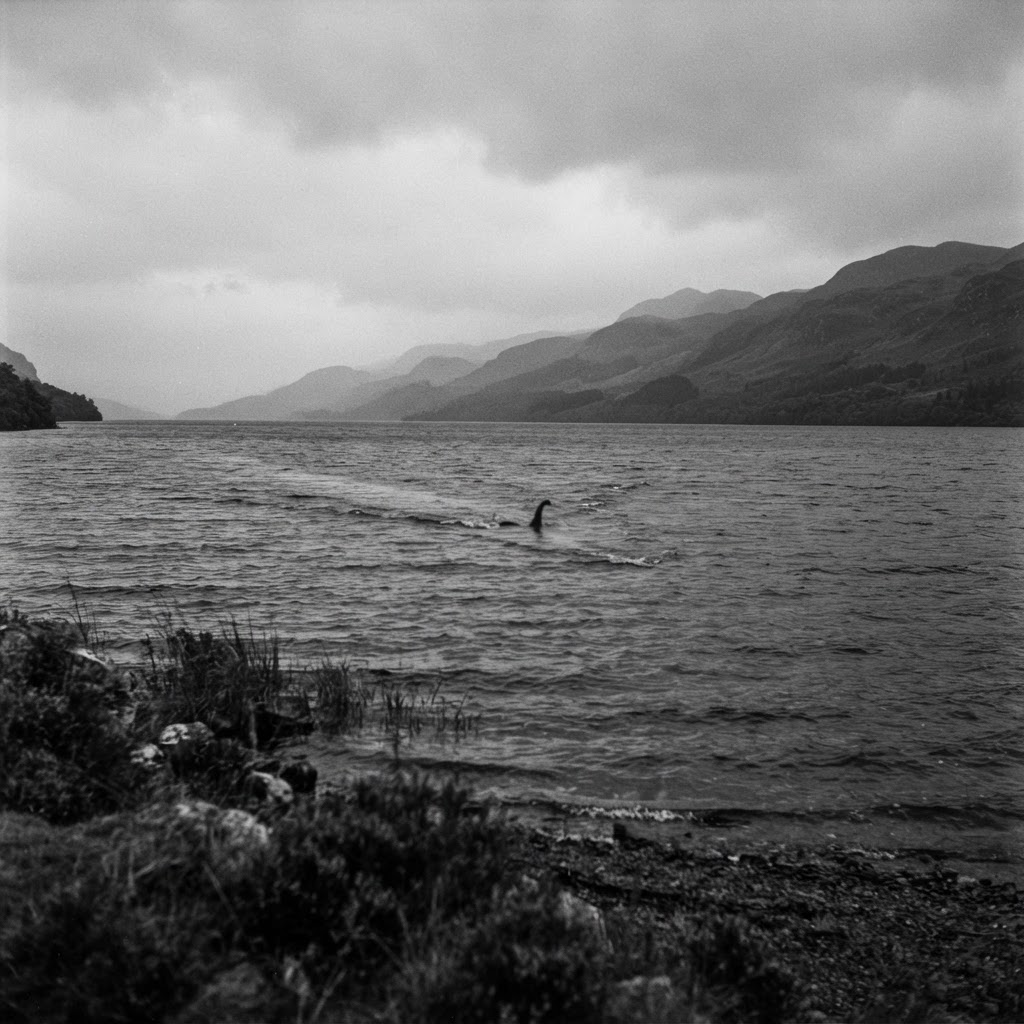
Loch Ness — Surface Disturbance Under Highland Mist
The still, peat-dark surface of Loch Ness. Wave interference, boat wakes, floating logs, and swimming birds routinely produce "humps" and "necks" in photographs. The 2019 eDNA survey confirmed no large reptile inhabits these waters.
Verified Sources & Peer-Reviewed References
Environmental DNA Survey of Loch Ness
University of Otago·2019The Surgeon's Photograph: Anatomy of a Hoax
Skeptical Inquirer·1994Plesiosaur Physiology and Thermal Constraints
Palaeontology·2010Misidentification of Aquatic Wildlife in Sighting Reports
Journal of Zoology·2015
All sources are peer-reviewed or from accredited space agencies. Dark Myths does not fabricate or misrepresent scientific findings.