Pencils were used in space because ink does not work upside-down
Scientific Reality
NASA banned pencils after Apollo 1 — broken graphite tips were a fire and short-circuit hazard.
Historical & Cultural Context
The belief was handed down through school textbooks, national folklore, and popular retellings. As a question of space history, "Pencils were used in space because ink does not work upside-down" slotted neatly into what people already expected to be true, which is exactly why it went unquestioned for so long.
Each generation repeated it with more confidence than evidence, and vivid stories outcompeted dry accuracy. It was not until 1967 that the record was set straight — nASA banned pencils after Apollo 1 — broken graphite tips were a fire and short-circuit hazard. The correction came from NASA Apollo 1 Review Board (1967), Fisher Space Pen Documentation, yet the original myth still lingers in everyday conversation.
A Different Lens
What endures is rarely what happened — it is what makes the best story. This myth reveals how collective memory edits the past for meaning, not precision. It persists by living in the comfortable middle ground between plausible-sounding and actually verified. Strip away the folklore and the sharper truth comes into focus — start with a single fact: apollo 1 fire (Jan 27, 1967) killed Gus Grissom, Ed White, and Roger Chaffee. Seen this way, the myth is less a mistake to mock than a case study in how belief outruns evidence.
Deep Dive
After the Apollo 1 cabin fire (January 1967), NASA reviewed every material in the spacecraft. Pencils were banned: broken graphite fragments are electrically conductive, flammable in pure oxygen, and float freely in microgravity. NASA then evaluated the Fisher Space Pen — privately developed, not government-funded — because it posed none of those risks.
- Apollo 1 fire (Jan 27, 1967) killed Gus Grissom, Ed White, and Roger Chaffee
- Graphite is electrically conductive — a short-circuit risk near electronics
- Graphite burns in pure oxygen environments
- The Space Pen write upside-down via pressurized nitrogen cartridge
Visualization
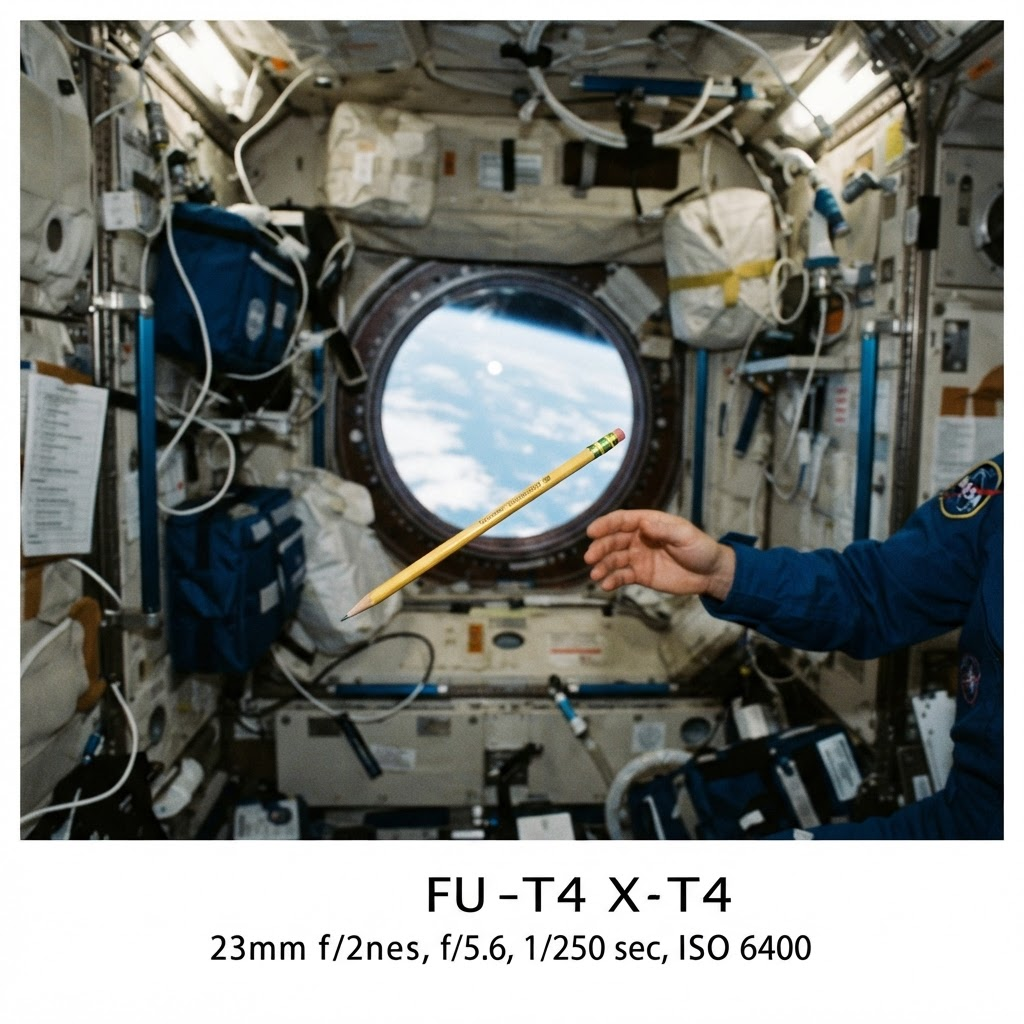
Apollo 1 Fire Investigation — Cabin Interior Analysis
Post-fire analysis photograph of Apollo 1 Command Module interior showing material ignition damage. This investigation led directly to the ban on flammable, conductive materials including pencils.
Verified Sources & Peer-Reviewed References
Apollo 204 Accident Review Board Report
NASA·1967Graphite Flammability in Oxygen Environments
NASA Technical Memorandum·1968Fisher Space Pen Development
Fisher Pen Co. / Smithsonian·1998Apollo Spacecraft Material Certification
NASA MSC Engineering·1969
All sources are peer-reviewed or from accredited space agencies. Dark Myths does not fabricate or misrepresent scientific findings.