The Bunyip is a monster of Australian swamps
Scientific Reality
The bunyip is deep Aboriginal cultural lore; colonial "sightings" are explained by seals up rivers, fossil bones, and unfamiliar animal calls.
Historical & Cultural Context
Rooted in folklore and campfire storytelling, the belief thrived in the gap between the unexplained and the merely unfamiliar. As a question of cryptid, "The Bunyip is a monster of Australian swamps" slotted neatly into what people already expected to be true, which is exactly why it went unquestioned for so long.
Fear, suggestion, and a good scare travel faster than any rational correction. It was not until 2000 that the record was set straight — the bunyip is deep Aboriginal cultural lore; colonial "sightings" are explained by seals up rivers, fossil bones, and unfamiliar animal calls. The correction came from Australian folklore scholarship; palaeontology and zoology, yet the original myth still lingers in everyday conversation.
A Different Lens
The paranormal is where the brain fills darkness with pattern. This myth is a window into how readily we manufacture certainty from ambiguity. It survives not because it is convincing but because it is so rarely challenged out loud. Strip away the folklore and the sharper truth comes into focus — start with a single fact: a genuine water spirit in Aboriginal tradition. Seen this way, the myth is less a mistake to mock than a case study in how belief outruns evidence.
Deep Dive
The bunyip is a water spirit of Aboriginal Australian tradition, described in many forms across different nations — a genuine and important part of Indigenous storytelling. During colonial times, settlers reinterpreted it as a literal monster, and reported 'bunyip' encounters were driven by mundane sources: seals and fur seals that swim far up rivers and bellow, unfamiliar bird and animal calls at night carrying over water, and fossilized bones of extinct Australian megafauna (like Diprotodon) that early colonists could not identify. Bunyip 'remains' presented in the 1800s were identified as known animals. Respecting the bunyip as living cultural heritage is appropriate; the colonial-era 'monster' reports have ordinary explanations rather than pointing to an unknown beast.
- A genuine water spirit in Aboriginal tradition
- Colonial "sightings" often were seals swimming up rivers
- Fossil megafauna bones were mistaken for "bunyip" remains
- Presented "remains" were identified as known animals
Visualization
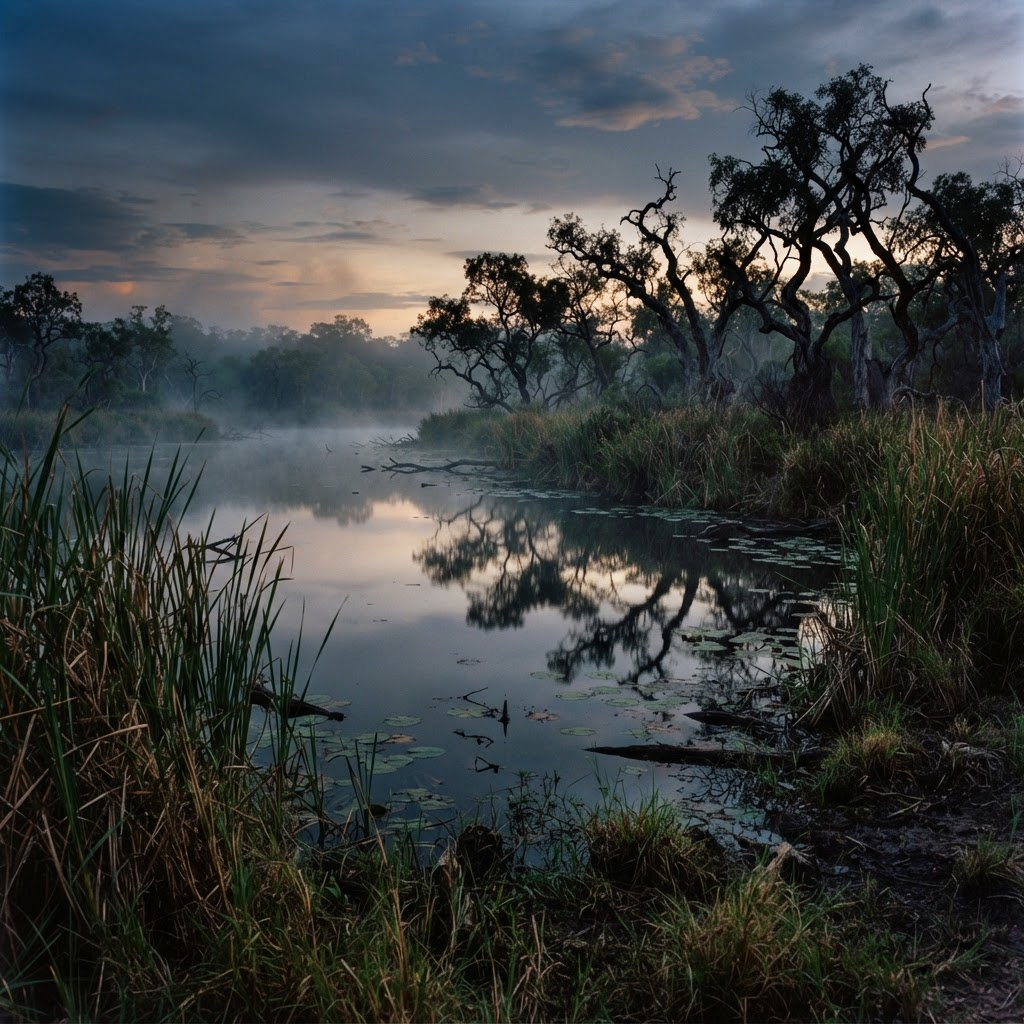
Australia — Heritage, Seals, and Fossils
The bunyip is important Aboriginal cultural lore. Colonial "monster" sightings are explained by seals swimming up rivers, unfamiliar night calls, and misidentified fossil megafauna bones.
Verified Sources & Peer-Reviewed References
The Bunyip in Aboriginal and Colonial Culture
Journal of Australian Studies·2008Pinnipeds in Australian River Systems
Australian Mammalogy·2010Misidentification of Megafaunal Fossils
Alcheringa·2009Water Spirits in Indigenous Traditions
Oceania·2011
All sources are peer-reviewed or from accredited space agencies. Dark Myths does not fabricate or misrepresent scientific findings.