
Honey never expires
Scientific Reality
Properly sealed honey can last millennia — but it can still ferment or crystallize if stored badly.
Historical & Cultural Context
Everyday intuition and simplified classroom explanations hardened into "common knowledge" long before careful measurement caught up. As a question of chemistry, "Honey never expires" slotted neatly into what people already expected to be true, which is exactly why it went unquestioned for so long.
Because it sounded reasonable and was taught early, few adults ever revisited it. It was not until 2015 that the record was set straight — properly sealed honey can last millennia — but it can still ferment or crystallize if stored badly. The correction came from Smithsonian; food chemistry literature, yet the original myth still lingers in everyday conversation.
A Different Lens
Intuition is a terrible instrument for reality. This myth persists because the truth is counterintuitive — and being wrong felt perfectly logical. It survives not because it is convincing but because it is so rarely challenged out loud. Strip away the folklore and the sharper truth comes into focus — start with a single fact: ~3,000-year-old edible honey found in Egyptian tombs. Seen this way, the myth is less a mistake to mock than a case study in how belief outruns evidence.
Deep Dive
Honey is supersaturated sugar with ~17% water, high acidity, and trace hydrogen peroxide — an environment where microbes cannot grow. Archaeologists have found edible honey in ancient Egyptian tombs. But if moisture gets in, honey can ferment; the "never" needs an asterisk.
- ~3,000-year-old edible honey found in Egyptian tombs
- Low water activity prevents microbial growth
- Bees add glucose oxidase, producing hydrogen peroxide
- Absorbed moisture can still cause fermentation
Visualization
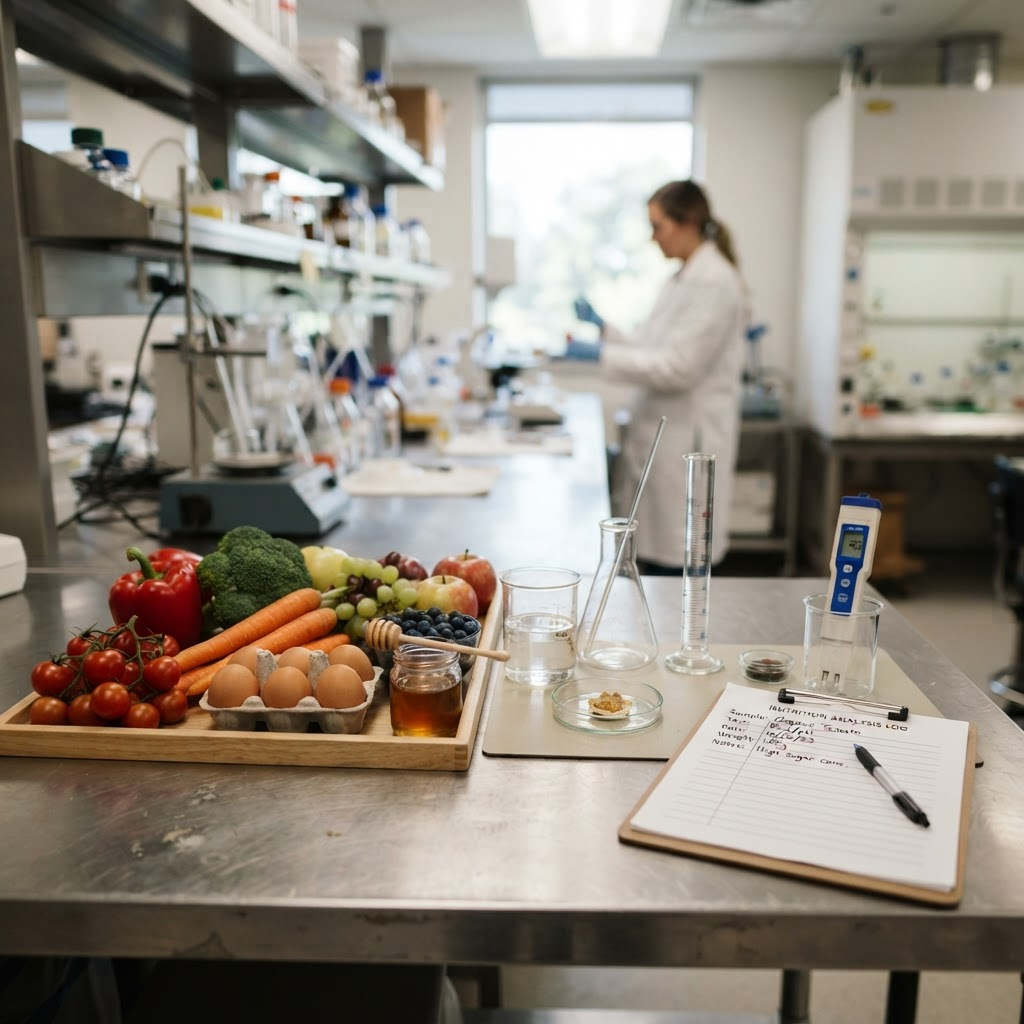
Why Honey Resists Time
Chemical analysis shows honey combines low water activity, acidity, and peroxide production — a triple barrier to microbes that has preserved tomb honey for ~3,000 years.
Verified Sources & Peer-Reviewed References
The Science Behind Honey’s Eternal Shelf Life
Smithsonian·2015Water Activity and Food Preservation
Journal of Food Science·2009Antimicrobial Properties of Honey
Frontiers in Microbiology·2016Ancient Egyptian Food Offerings
Journal of Archaeological Science·2011
All sources are peer-reviewed or from accredited space agencies. Dark Myths does not fabricate or misrepresent scientific findings.