
Goldfish have a 3-second memory
Scientific Reality
Goldfish can remember events for at least 5 months and are capable of learned behavior.
Historical & Cultural Context
Everyday intuition and simplified classroom explanations hardened into "common knowledge" long before careful measurement caught up. As a question of biology, "Goldfish have a 3-second memory" slotted neatly into what people already expected to be true, which is exactly why it went unquestioned for so long.
Because it sounded reasonable and was taught early, few adults ever revisited it. It was not until 2003 that the record was set straight — goldfish can remember events for at least 5 months and are capable of learned behavior. The correction came from Rory Stokes — School Science Fair (2003); Plymouth University (2008), yet the original myth still lingers in everyday conversation.
A Different Lens
Intuition is a terrible instrument for reality. This myth persists because the truth is counterintuitive — and being wrong felt perfectly logical. It survives not because it is convincing but because it is so rarely challenged out loud. Strip away the folklore and the sharper truth comes into focus — start with a single fact: rory Stokes study (2003): goldfish trained mazes, memory tested over weeks. Seen this way, the myth is less a mistake to mock than a case study in how belief outruns evidence.
Deep Dive
A 2003 study by 15-year-old Rory Stokes (Australia) trained goldfish to navigate mazes for food. Memory persisted over weeks. Goldfish have also been trained to push levers for food, respond to color cues, and distinguish music. Their hippocampal equivalent supports spatial and associative memory over months.
- Rory Stokes study (2003): goldfish trained mazes, memory tested over weeks
- Goldfish can be conditioned to respond to musical cues
- Spatial memory studies show retention over 3–5 months
- The myth likely originates from aquarium marketing to ease owner guilt about small tanks
Visualization
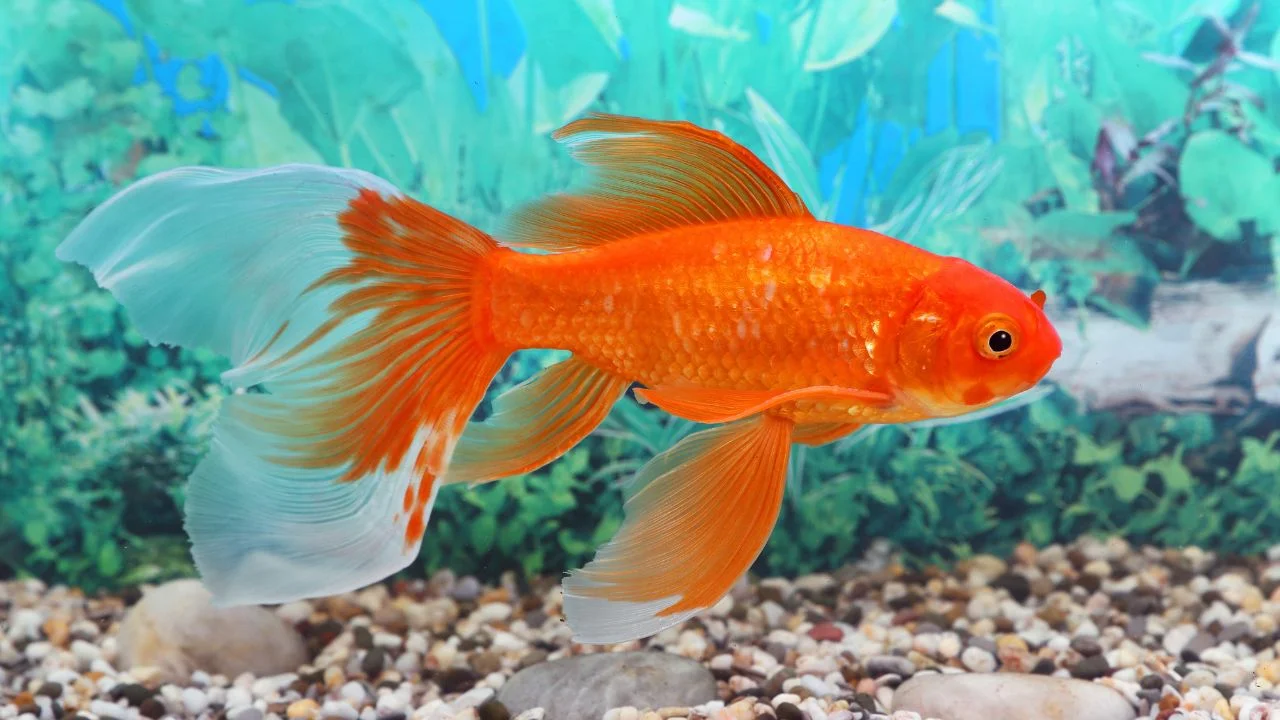
Carassius auratus — Goldfish in Aquarium
A healthy goldfish swimming in its tank. Research by Rory Stokes (2003) and Plymouth University (2008) demonstrated goldfish spatial memory persisting over months — their hippocampal equivalent supports learned behavior far beyond the mythical 3-second limit.
Verified Sources & Peer-Reviewed References
Goldfish Spatial Memory — Plymouth Study
University of Plymouth·2008Learning and Memory in Teleost Fish
Fish and Fisheries·2010Conditioning Studies in Carassius auratus
Animal Cognition·2014Memory Systems in Fish
Behavioural Brain Research·2007
All sources are peer-reviewed or from accredited space agencies. Dark Myths does not fabricate or misrepresent scientific findings.