
The Oak Island Money Pit hides buried treasure
Scientific Reality
Geologists explain the "Money Pit" as natural sinkholes and flood tunnels — no treasure has ever been found.
Historical & Cultural Context
The belief was handed down through school textbooks, national folklore, and popular retellings. As a question of treasure legend, "The Oak Island Money Pit hides buried treasure" slotted neatly into what people already expected to be true, which is exactly why it went unquestioned for so long.
Each generation repeated it with more confidence than evidence, and vivid stories outcompeted dry accuracy. It was not until 2000 that the record was set straight — geologists explain the "Money Pit" as natural sinkholes and flood tunnels — no treasure has ever been found. The correction came from Geological analyses of Oak Island; Nickell, J., Skeptical Inquirer (2000), yet the original myth still lingers in everyday conversation.
A Different Lens
What endures is rarely what happened — it is what makes the best story. This myth reveals how collective memory edits the past for meaning, not precision. It persists by living in the comfortable middle ground between plausible-sounding and actually verified. Strip away the folklore and the sharper truth comes into focus — start with a single fact: digging since 1795 has produced no treasure. Seen this way, the myth is less a mistake to mock than a case study in how belief outruns evidence.
Deep Dive
The Oak Island 'Money Pit' in Nova Scotia has drawn treasure hunters since 1795 with legends of pirate gold, the Templars, or Shakespeare's manuscripts. After more than 200 years and several deaths, no treasure has ever been recovered. Geologists point out that Oak Island sits on limestone and anhydrite bedrock prone to natural sinkholes and voids, and the 'flood tunnels' that thwart diggers are explained by the island's natural connection to the sea and tidal water infiltration through porous rock. The 'discovered' artifacts (bits of wood, links of chain, a scrap of parchment) are ambiguous and often introduced by centuries of prior digging. The story persists through investment, television, and hope — not evidence of engineered treasure vaults.
- Digging since 1795 has produced no treasure
- Bedrock sinkholes/voids explain the "pit"
- Tidal infiltration explains the "flood tunnels"
- Artifacts are ambiguous or from prior excavations
Visualization
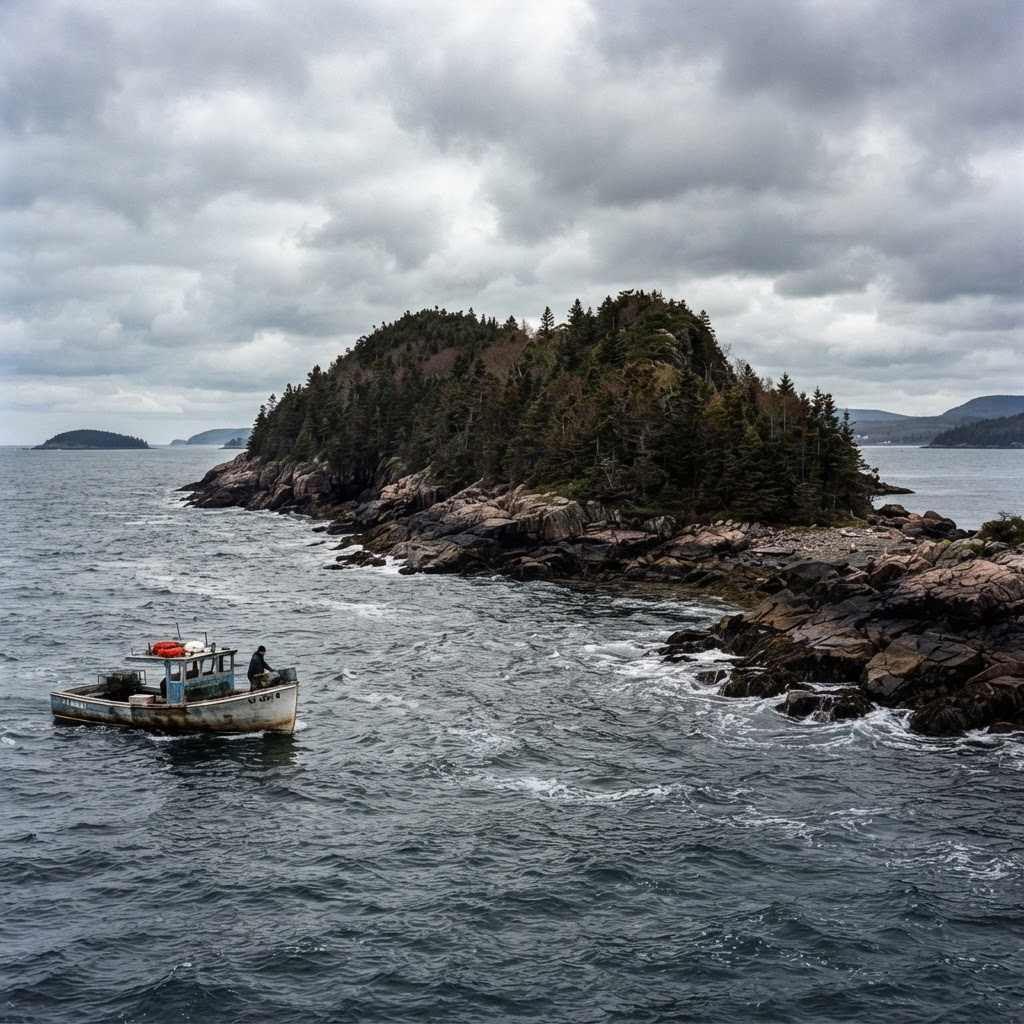
Nova Scotia — Natural Geology, Not a Vault
The Oak Island Money Pit is best explained by limestone sinkholes and tidal flood channels rather than engineered treasure tunnels. After 200+ years of excavation, no treasure has ever been recovered.
Verified Sources & Peer-Reviewed References
The Secrets of Oak Island
Skeptical Inquirer·2000Karst Geology and Sinkhole Formation in Nova Scotia
Canadian Journal of Earth Sciences·2005Tidal Hydrology of Coastal Bedrock
Hydrogeology Journal·2008The Economics of Treasure Legends
Journal of Popular Culture·2016
All sources are peer-reviewed or from accredited space agencies. Dark Myths does not fabricate or misrepresent scientific findings.