
The Yeti is an unknown ape of the Himalayas
Scientific Reality
A 2017 genetic study of nine "Yeti" specimens identified them all as Himalayan and brown bears (and one dog).
Historical & Cultural Context
Rooted in folklore and campfire storytelling, the belief thrived in the gap between the unexplained and the merely unfamiliar. As a question of cryptid, "The Yeti is an unknown ape of the Himalayas" slotted neatly into what people already expected to be true, which is exactly why it went unquestioned for so long.
Fear, suggestion, and a good scare travel faster than any rational correction. It was not until 2017 that the record was set straight — a 2017 genetic study of nine "Yeti" specimens identified them all as Himalayan and brown bears (and one dog). The correction came from Lindqvist et al., Proceedings of the Royal Society B (2017), yet the original myth still lingers in everyday conversation.
A Different Lens
The paranormal is where the brain fills darkness with pattern. This myth is a window into how readily we manufacture certainty from ambiguity. It survives not because it is convincing but because it is so rarely challenged out loud. Strip away the folklore and the sharper truth comes into focus — start with a single fact: 2017 study: 8 of 9 "Yeti" samples were bears, 1 was a dog. Seen this way, the myth is less a mistake to mock than a case study in how belief outruns evidence.
Deep Dive
The Yeti or 'Abominable Snowman' has been sought in the Himalayas for over a century. In 2017, Charlotte Lindqvist's team genetically analysed nine purported Yeti samples — bones, teeth, hair, and skin from museums and collections. Eight were Asian black bears, Himalayan brown bears, or Tibetan brown bears; one was a dog. Alleged 'Yeti footprints,' including the famous 1951 Shipton photograph, are consistent with the tracks of bears or other animals enlarged and distorted by melting and refreezing snow in bright sun. The 'Abominable Snowman' name itself arose from a mistranslation of a Sherpa term. The Himalayan bear is a real, fascinating animal — and the likely basis for the legend.
- 2017 study: 8 of 9 "Yeti" samples were bears, 1 was a dog
- Footprints match bear tracks distorted by sun-melted snow
- "Abominable Snowman" stems from a mistranslation
- The Himalayan brown bear is the real animal behind the myth
Visualization
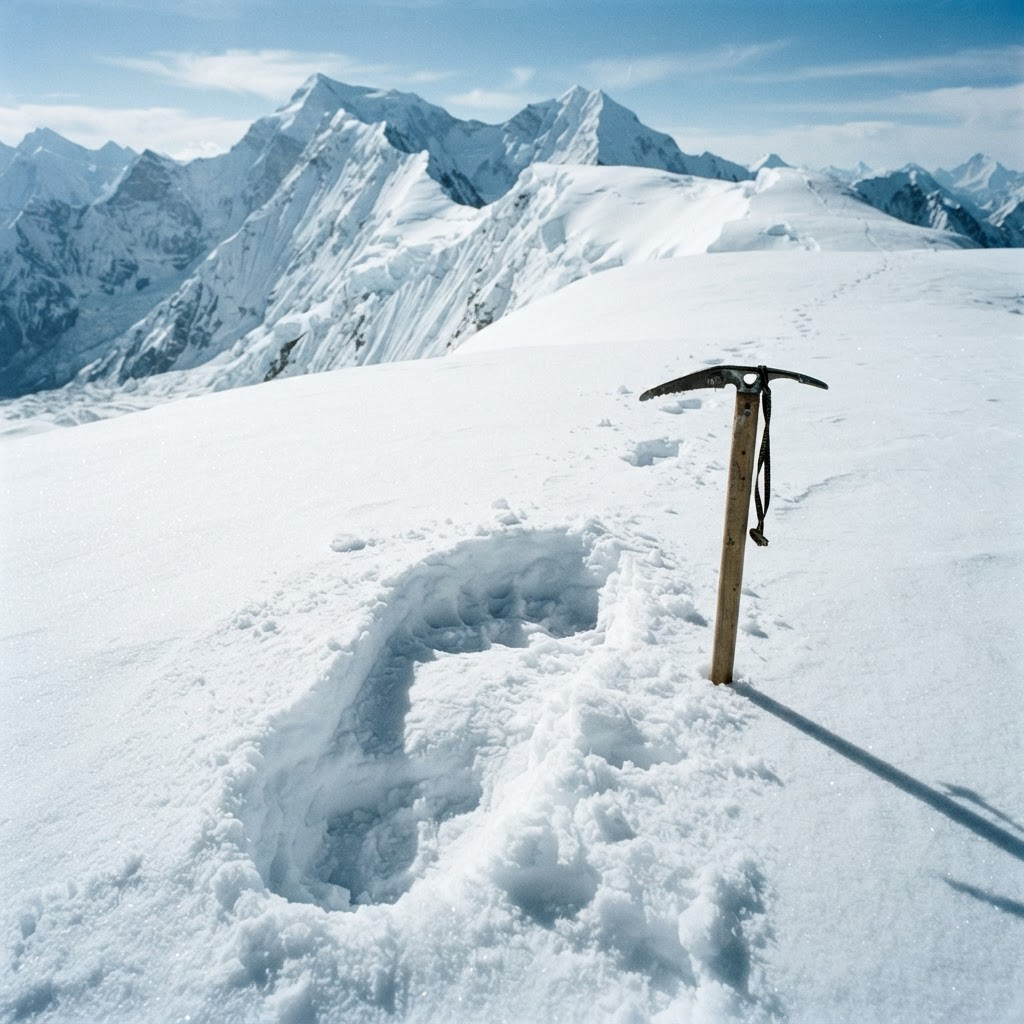
Himalayan Snowfield — Distorted Track Formation
A large ambiguous footprint in Himalayan snow. Tracks left by bears melt and refreeze in intense high-altitude sun, enlarging and distorting them into the "Yeti prints" that fuel the legend. DNA studies confirm bears behind the relics.
Verified Sources & Peer-Reviewed References
Genetic Analysis of Purported Yeti Samples
Proceedings of the Royal Society B·2017The Shipton Footprint Photograph Reexamined
Skeptical Inquirer·2008Snow Track Distortion Under Solar Radiation
Journal of Glaciology·2011Ecology of the Himalayan Brown Bear
Ursus·2015
All sources are peer-reviewed or from accredited space agencies. Dark Myths does not fabricate or misrepresent scientific findings.