
The Beast of Gévaudan was a supernatural monster
Scientific Reality
The attacks were real, but the culprit was almost certainly wolves or large wolf-dogs — not a supernatural beast.
Historical & Cultural Context
The belief was handed down through school textbooks, national folklore, and popular retellings. As a question of cryptid, "The Beast of Gévaudan was a supernatural monster" slotted neatly into what people already expected to be true, which is exactly why it went unquestioned for so long.
Each generation repeated it with more confidence than evidence, and vivid stories outcompeted dry accuracy. It was not until 1767 that the record was set straight — the attacks were real, but the culprit was almost certainly wolves or large wolf-dogs — not a supernatural beast. The correction came from Historical analyses of the Gévaudan attacks; wolf behavior studies, yet the original myth still lingers in everyday conversation.
A Different Lens
What endures is rarely what happened — it is what makes the best story. This myth reveals how collective memory edits the past for meaning, not precision. It persists by living in the comfortable middle ground between plausible-sounding and actually verified. Strip away the folklore and the sharper truth comes into focus — start with a single fact: real attacks occurred in Gévaudan, 1764–1767. Seen this way, the myth is less a mistake to mock than a case study in how belief outruns evidence.
Deep Dive
Between 1764 and 1767 the Gévaudan region of south-central France suffered a genuine, deadly series of animal attacks that killed many people, mostly women and children herding livestock. Panicked reports, royal bounties, and sensational pamphlets inflated the killer into a monstrous, near-supernatural 'Beast.' The mundane reality is that large wolves — a real and dangerous predator in 18th-century rural France — are more than capable of such attacks, especially on vulnerable herders. Large hunting dogs or wolf-dog hybrids may also have been involved. Two large wolves were killed (in 1765 and 1767) after which the attacks stopped. The 'exotic monster' descriptions reflect fear, embellishment, and the era's love of lurid broadsheets, not a unique creature.
- Real attacks occurred in Gévaudan, 1764–1767
- Wolves were common, dangerous predators at the time
- Attacks stopped after large wolves were killed
- "Monster" descriptions reflect panic and pamphlet hype
Visualization
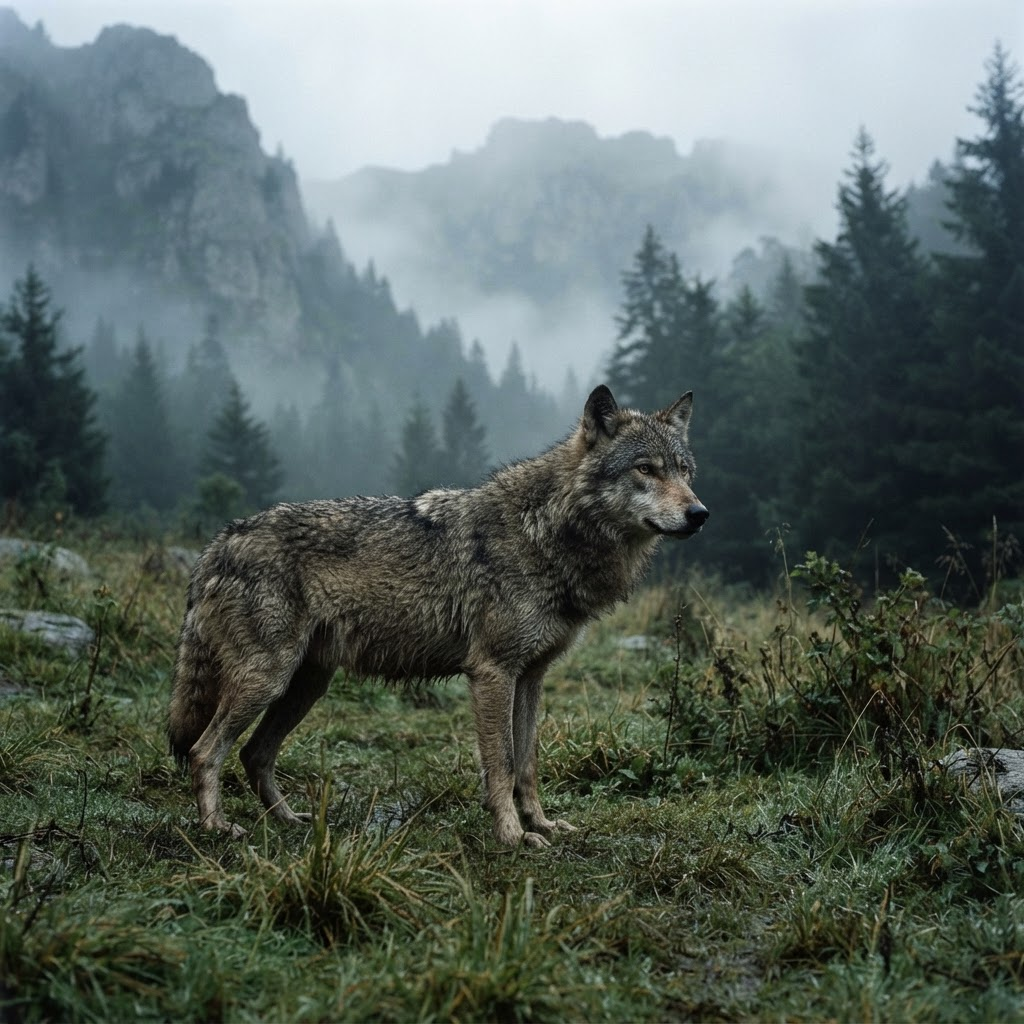
Gévaudan, France — Wolves Behind the Legend
The Gévaudan attacks were real but consistent with large wolves preying on vulnerable herders. Sensational pamphlets inflated the predator into a supernatural beast; the killings stopped after wolves were shot.
Verified Sources & Peer-Reviewed References
The Beast of Gévaudan: A Historical Reassessment
French Historical Studies·2009Wolf Attacks on Humans: A Global Review
Journal of Wildlife Management·2002Print Culture and Monster Panics
Journal of Social History·2011Predator Behavior in Pre-Modern Europe
Environmental History·2013
All sources are peer-reviewed or from accredited space agencies. Dark Myths does not fabricate or misrepresent scientific findings.