
Space is a completely silent void
Scientific Reality
NASA has actually recorded "sounds" in space — and they are haunting.
Historical & Cultural Context
For most of human history the cosmos was read through the naked eye and the stories cultures told to explain the night sky. As a question of physics, "Space is a completely silent void" slotted neatly into what people already expected to be true, which is exactly why it went unquestioned for so long.
Textbooks, science fiction, and secondhand summaries repeated the claim until it felt like settled fact. It was not until 2013 that the record was set straight — nASA has actually recorded "sounds" in space — and they are haunting. The correction came from NASA Chandra X-ray Observatory (2003, 2022), yet the original myth still lingers in everyday conversation.
A Different Lens
This myth is less about space itself and more about the limits of human perception and scale — our intuition simply was not built for cosmic distances. It persists by living in the comfortable middle ground between plausible-sounding and actually verified. Strip away the folklore and the sharper truth comes into focus — start with a single fact: perseus Cluster propagates sound through hot X-ray gas. Seen this way, the myth is less a mistake to mock than a case study in how belief outruns evidence.
Deep Dive
While pressure waves can't travel through deep-space vacuum, plasma waves and pressure oscillations in dense cosmic media absolutely exist. NASA's Chandra recorded sound from the Perseus cluster — the lowest note ever detected, a B-flat 57 octaves below middle C.
- Perseus Cluster propagates sound through hot X-ray gas
- Frequency: ~10 million year period per oscillation
- Plasma waves in solar wind create "whistle" signals
- Converted NASA recordings are publicly available
Visualization
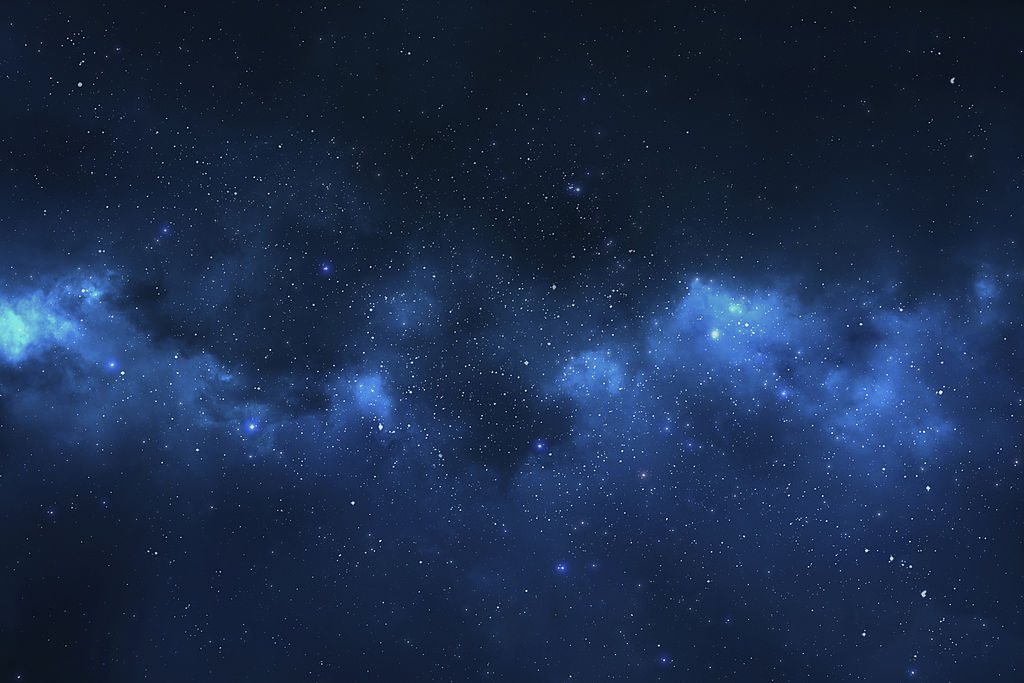
Milky Way Band — Wide-Field Night Sky Photograph
Wide-field photograph of the Milky Way galaxy band stretching across a dark sky. Space appears visually silent — but the Chandra observatory detected sound waves in the Perseus Cluster: a B-flat 57 octaves below middle C, propagating through hot intracluster gas at 10-million-year wavelengths.
Perseus Black Hole — Sonified Pressure Waves
NASA Chandra X-ray Center, 2022
NASA Chandra sonification pitch-shifted 57–58 octaves above true frequency to fall within human hearing range.
Verified Sources & Peer-Reviewed References
Sound Waves from Perseus Black Hole
NASA Chandra X-ray Observatory·2003Perseus Cluster Sonification
NASA / CXC·2022Plasma Wave Emissions — Solar Wind
ESA Cluster Mission·2013Acoustic Phenomena in Galaxy Clusters
Astrophysical Journal·2016
All sources are peer-reviewed or from accredited space agencies. Dark Myths does not fabricate or misrepresent scientific findings.