
Humans have exactly five senses
Scientific Reality
Depending on definition, humans have between 9 and 21 distinct sensory systems.
Historical & Cultural Context
Everyday intuition and simplified classroom explanations hardened into "common knowledge" long before careful measurement caught up. As a question of biology, "Humans have exactly five senses" slotted neatly into what people already expected to be true, which is exactly why it went unquestioned for so long.
Because it sounded reasonable and was taught early, few adults ever revisited it. It was not until 1906 that the record was set straight — depending on definition, humans have between 9 and 21 distinct sensory systems. The correction came from Sherrington (1906); Damasio — The Feeling of What Happens (1999), yet the original myth still lingers in everyday conversation.
A Different Lens
Intuition is a terrible instrument for reality. This myth persists because the truth is counterintuitive — and being wrong felt perfectly logical. It persists by living in the comfortable middle ground between plausible-sounding and actually verified. Strip away the folklore and the sharper truth comes into focus — start with a single fact: proprioception: detects body position — damaged in tabes dorsalis. Seen this way, the myth is less a mistake to mock than a case study in how belief outruns evidence.
Deep Dive
Beyond the canonical five, well-documented senses include: proprioception (body position), thermoception (temperature), nociception (pain), vestibular sense (balance/motion), interoception (internal organ state), chronoception (time perception), and magnetoreception (disputed but present in some studies). Sherrington won the 1932 Nobel Prize partly for identifying proprioception as a distinct sense.
- Proprioception: detects body position — damaged in tabes dorsalis
- Vestibular system: inner ear detects linear and rotational acceleration
- Interoception: cardiac, respiratory, and GI sensing — critical to emotion regulation
- Sherrington (1906) introduced the concept of proprioception
Visualization
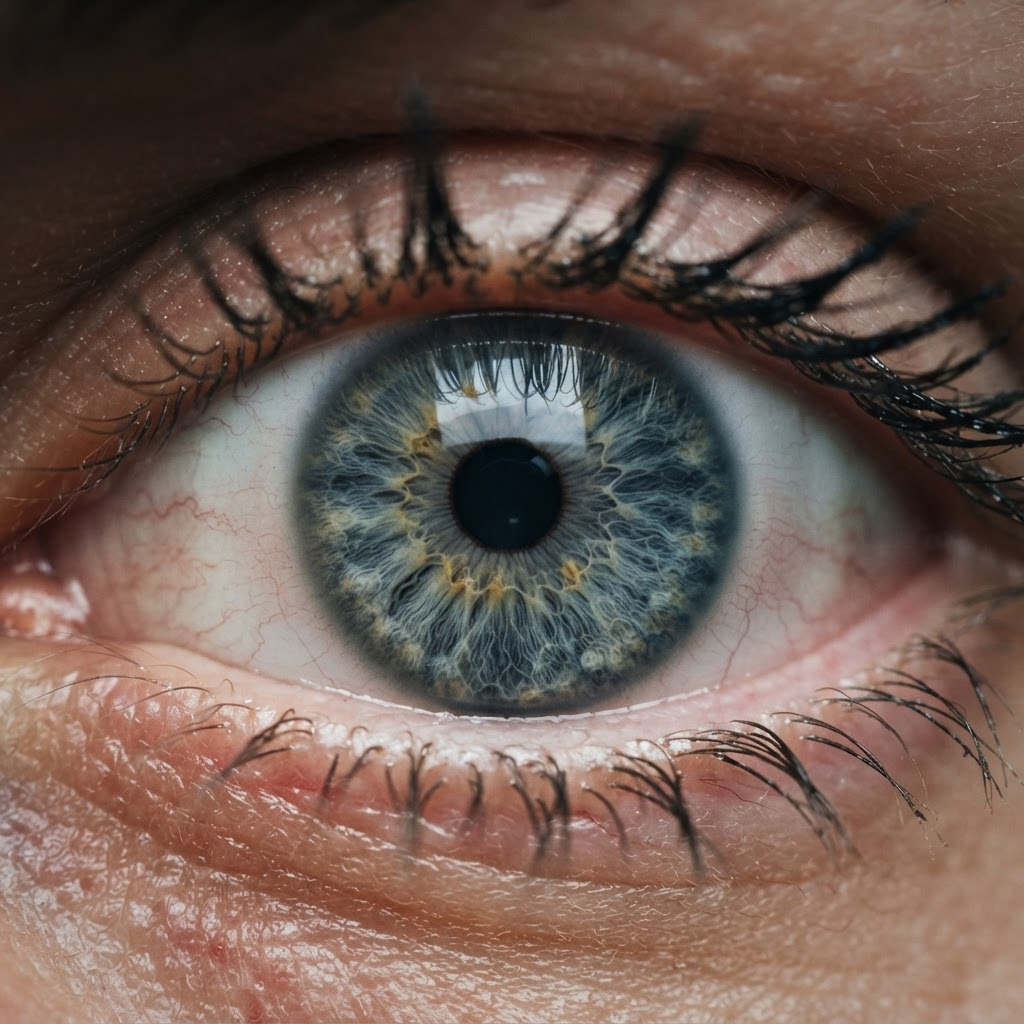
Human Eye — Macro Photograph of the Iris
Extreme close-up of a human eye, one of the sensory organs behind the classic "five senses." In reality humans have at least 21 distinct senses: Sherrington won the 1932 Nobel Prize partly for identifying proprioception, and the canonical five omit vestibular, interoceptive, thermoceptive, nociceptive, and several more.
Verified Sources & Peer-Reviewed References
The Integrative Action of the Nervous System
C.S. Sherrington / Cambridge UP·1906The Feeling of What Happens
Antonio Damasio / Harcourt·1999Interoception: The Sense of the Physiological Body
Nature Reviews Neuroscience·2002Human Magnetoreception Evidence
eLife Sciences·2019
All sources are peer-reviewed or from accredited space agencies. Dark Myths does not fabricate or misrepresent scientific findings.