
Sugar makes children hyperactive
Scientific Reality
A 1995 JAMA meta-analysis of 23 double-blind trials found no link between sugar and children's behavior.
Historical & Cultural Context
Everyday intuition and simplified classroom explanations hardened into "common knowledge" long before careful measurement caught up. As a question of biology, "Sugar makes children hyperactive" slotted neatly into what people already expected to be true, which is exactly why it went unquestioned for so long.
Because it sounded reasonable and was taught early, few adults ever revisited it. It was not until 1995 that the record was set straight — a 1995 JAMA meta-analysis of 23 double-blind trials found no link between sugar and children's behavior. The correction came from Wolraich et al. — JAMA (1995); Hoover & Milich (1994), yet the original myth still lingers in everyday conversation.
A Different Lens
Intuition is a terrible instrument for reality. This myth persists because the truth is counterintuitive — and being wrong felt perfectly logical. It persists by living in the comfortable middle ground between plausible-sounding and actually verified. Strip away the folklore and the sharper truth comes into focus — start with a single fact: 23 double-blind trials showed zero behavioral effect. Seen this way, the myth is less a mistake to mock than a case study in how belief outruns evidence.
Deep Dive
In 23 randomized controlled trials, children who consumed sugar versus placebo showed no difference in behavior, attention, or activity level — including children diagnosed with ADHD and those whose parents believed sugar affected them. The effect is entirely expectation bias: parents who believe their child has had sugar rate the child as more hyperactive even when given a placebo.
- 23 double-blind trials showed zero behavioral effect
- Parents in blind trials rated children's behavior identically
- Expectation bias: sugar-believing parents rated children as hyperactive after placebos
- ADHD children showed the same null result as neurotypical children
Visualization
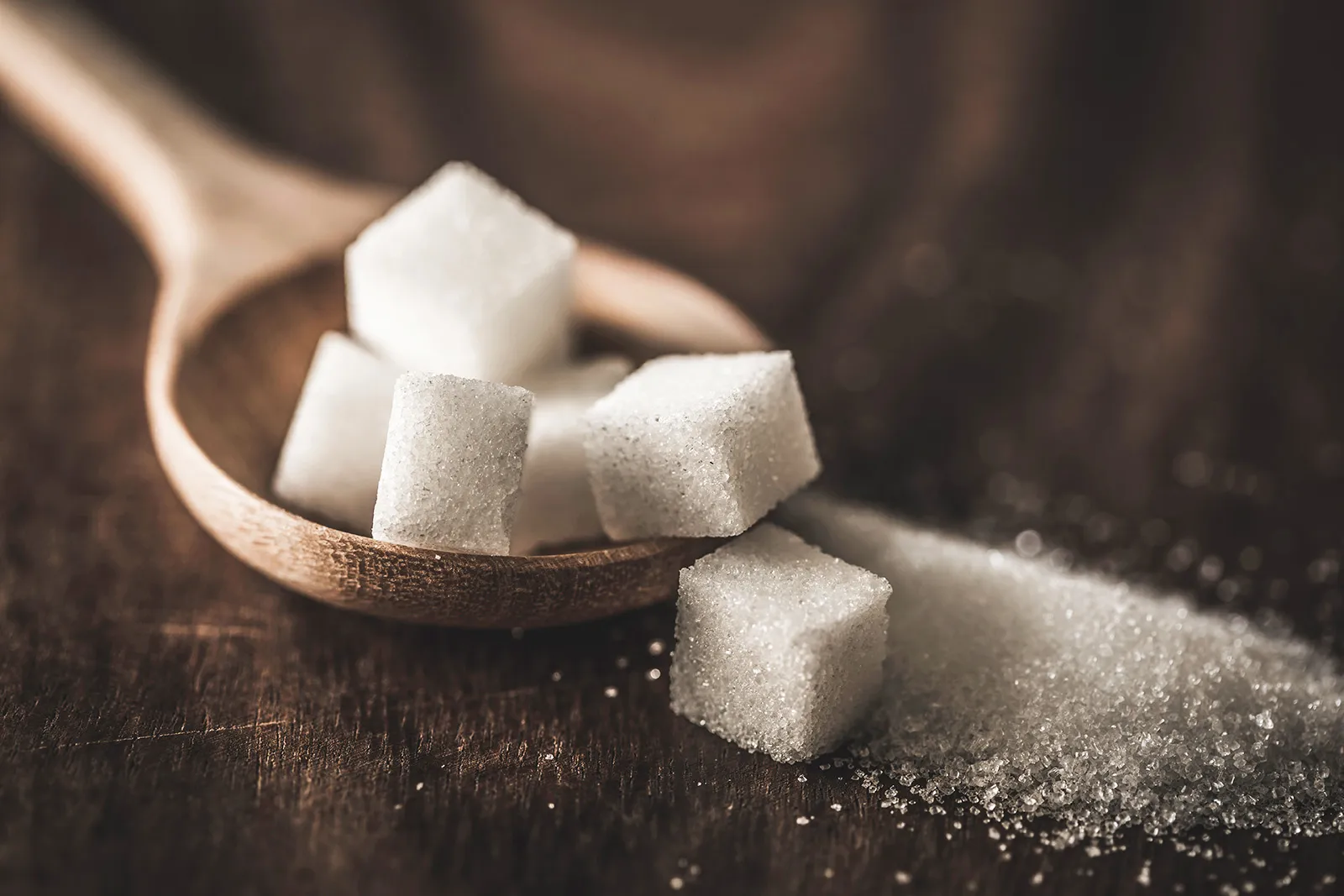
Sugar Cubes on Wooden Spoon — The Hyperactivity Culprit?
A wooden spoon piled with sugar cubes, the classic culprit of the hyperactivity myth. The Wolraich et al. 1995 JAMA meta-analysis of 23 double-blind trials found effect sizes clustering tightly at zero — in both ADHD and neurotypical children. The myth persists because parents who believe they gave their child sugar rate the child as more hyperactive — pure expectation bias.
Verified Sources & Peer-Reviewed References
Effects of Diets High in Sucrose on Child Behavior
JAMA·1995Behavioral Effects of Sugar vs. Placebo
Journal of Abnormal Child Psychology·1994Parental Expectation Bias in Child Behavior
Journal of Consulting and Clinical Psychology·1994ADHD and Dietary Interventions — Review
Lancet Psychiatry·2019
All sources are peer-reviewed or from accredited space agencies. Dark Myths does not fabricate or misrepresent scientific findings.