The Wendigo is a real flesh-eating forest creature
Scientific Reality
The Wendigo is a meaningful cultural and psychological symbol, not a biological animal.
Historical & Cultural Context
Rooted in folklore and campfire storytelling, the belief thrived in the gap between the unexplained and the merely unfamiliar. As a question of folklore, "The Wendigo is a real flesh-eating forest creature" slotted neatly into what people already expected to be true, which is exactly why it went unquestioned for so long.
Fear, suggestion, and a good scare travel faster than any rational correction. It was not until 2000 that the record was set straight — the Wendigo is a meaningful cultural and psychological symbol, not a biological animal. The correction came from Brightman, R., "The Windigo in the Material World," Ethnohistory (1988), yet the original myth still lingers in everyday conversation.
A Different Lens
The paranormal is where the brain fills darkness with pattern. This myth is a window into how readily we manufacture certainty from ambiguity. It persists by living in the comfortable middle ground between plausible-sounding and actually verified. Strip away the folklore and the sharper truth comes into focus — start with a single fact: originates as an Algonquian spiritual/moral concept, not an animal. Seen this way, the myth is less a mistake to mock than a case study in how belief outruns evidence.
Deep Dive
The Wendigo (or Windigo) originates in Algonquian-speaking peoples' traditions as a spirit embodying insatiable greed, isolation, and the taboo of cannibalism — a moral and cultural teaching, not a cryptid. Anthropologists documented 'Wendigo psychosis,' a culture-bound syndrome historically described among northern communities involving an intense fear of or compulsion toward cannibalism, though its clinical reality is debated. The modern 'antlered deer-skull monster' is a 20th–21st century invention from horror fiction, films, and games — it does not appear in traditional accounts. Treating a living culture's sacred concept as a monster-hunting target is both scientifically baseless and culturally disrespectful.
- Originates as an Algonquian spiritual/moral concept, not an animal
- Symbolises greed, isolation, and the cannibalism taboo
- "Wendigo psychosis" is a debated culture-bound syndrome
- The antlered-skull design is a modern pop-culture invention
Visualization
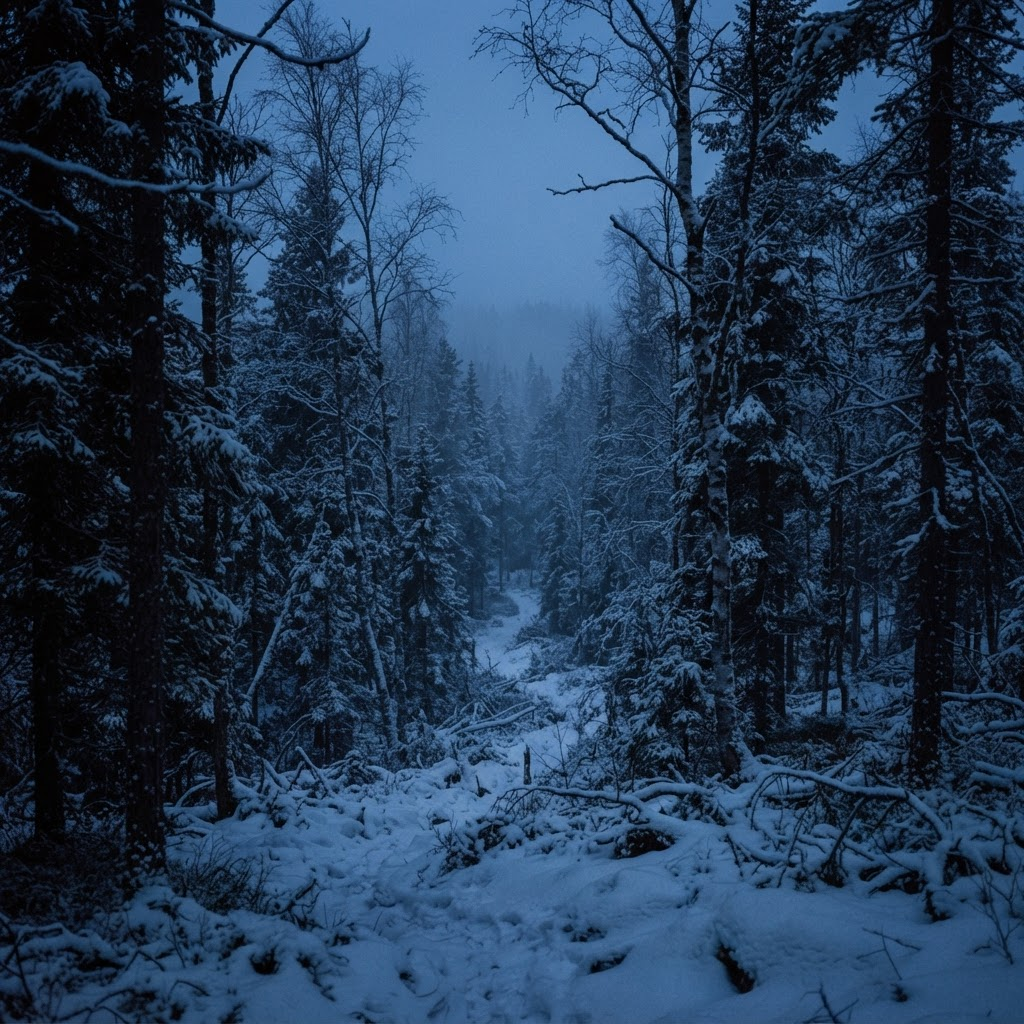
Northern Boreal Forest — Cultural Landscape
The boreal forests of the northern Algonquian homelands. The Wendigo belongs to this cultural landscape as a spiritual and moral teaching about greed and survival — not as a physical predator to be tracked.
Verified Sources & Peer-Reviewed References
The Windigo in the Material World
Ethnohistory·1988Windigo Psychosis: The Anatomy of an Emic-Etic Confusion
Transcultural Psychiatry·1982Algonquian Spirituality and Oral Tradition
American Anthropologist·2000Appropriation of Indigenous Folklore in Popular Media
Journal of American Folklore·2019
All sources are peer-reviewed or from accredited space agencies. Dark Myths does not fabricate or misrepresent scientific findings.